About Laminar Flow Operating Theatre
This means that the operating area is completely isolated within the surrounding room, effectively preventing any contamination by bacteria or virus-laden air. The low degree of turbulence also provides a pleasant working environment for medical personnel.
Unmatched Air Purity and FiltrationUtilizing premium HEPA filters rated at 99.97% efficiency for 0.3 micron particles, our laminar flow system delivers ISO Class 5 air cleanliness. A 100% fresh air system harnesses vertical or horizontal laminar flow to minimize airborne contamination, while a positive pressure differential (+12 to +20 Pa) maintains a pristine environment for even the most sensitive surgeries.
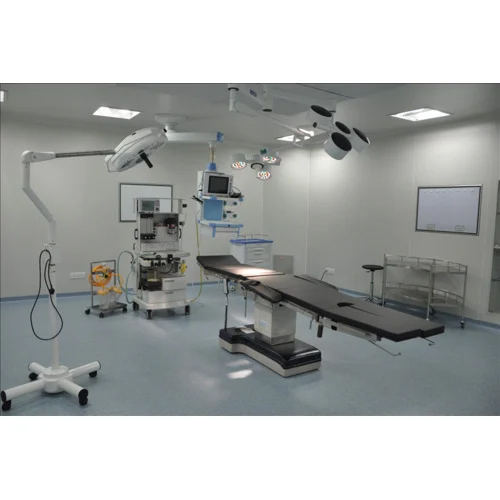
Superior Safety and Comfort FeaturesThe theatre is equipped with integrated sterilization systems (UV and VHP provisions), shadowless LED lights adjustable between 300-1000 Lux, precise temperature (18C-25C), and humidity control (45%-60%). It ensures quiet operation (<65 dB[A]), earthquake resistance up to 7 on the Richter scale, and Class A fire resistance, prioritizing safety, comfort, and compliance with international standards.
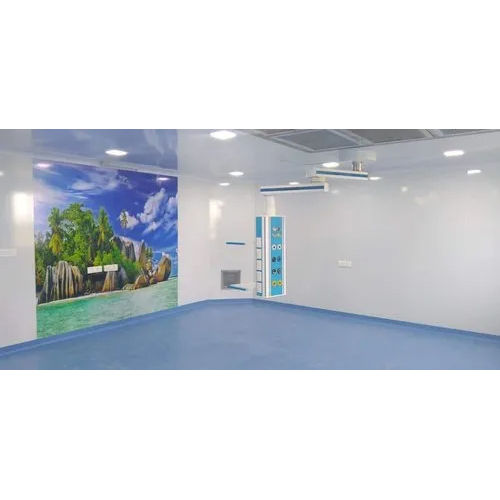
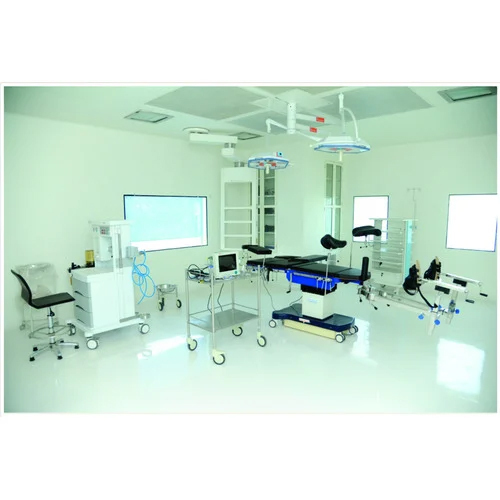
Modular, Adaptable, and Durable DesignConstructed from high-quality stainless steel, aluminium, and advanced PUF-insulated panels (40-60mm), the modular pre-fabricated structure accommodates custom dimensions and layouts. Features include hermetically sealed sliding doors, antistatic vinyl or epoxy floors, double-glazed observation windows, and robust electrical and medical gas systems-making it suitable for extensive, long-term use in busy hospital environments.
FAQ's of Laminar Flow Operating Theatre:
Q: How does the laminar flow system maintain a sterile environment in the operating theatre?
A: The system achieves sterility by using HEPA filters that remove 99.97% of particles as small as 0.3 microns. Laminar airflow-either vertical or horizontal-ensures a constant, unidirectional stream of fresh air, preventing cross-contamination and maintaining ISO Class 5 (Class 100) cleanliness.
Q: What benefits does a 100% fresh air system offer compared to conventional setups?
A: A 100% fresh air supply consistently introduces uncontaminated air into the theatre, significantly reducing microbial load and airborne particulates. This enhances infection control during surgeries and complies with global healthcare standards, ensuring patient and staff safety.
Q: When and where is a laminar flow operating theatre recommended?
A: Laminar flow operating theatres are essential for high-risk surgical procedures such as orthopaedic, transplant, and implant surgeries-any applications where ultra-clean air is critical. These are most commonly installed in hospital operating suites and critical care units.
Q: How is the temperature and humidity controlled within the theatre?
A: A dedicated HVAC system maintains a stable temperature between 18C and 25C, and relative humidity between 45% and 60%. These controls create an optimal, comfortable, and safe environment for both patients and surgical teams.
Q: What process ensures patient safety in terms of infection prevention and fire safety?
A: The theatre is designed with antimicrobial wall coatings, UV/VHP sterilization provisions, fire-rated panels (Class A), and continuous monitoring via integrated smoke detectors. These features collectively minimize infection risk and potential fire hazards, meeting ISO 14644, NABH, and WHO guidelines.
Q: Where are the medical gas outlets and control panels located?
A: Medical gas outlets (O2, N2O, suction) are conveniently placed within the modular walls for easy access during surgeries. The microprocessor-based touchscreen control panel is typically installed at the entrance or main working area for centralized monitoring and control of systems.
Q: What is the typical lifespan and maintenance requirement of the modular operating theatre?
A: The structure is built with durable materials and components designed to last 25-30 years. Regular maintenance, including periodic HEPA filter replacement, system inspections, and cleaning, ensures longevity and consistent operational performance.






 Send Inquiry


 Send Inquiry